Online video continues to grow in popularity, with live streaming emerging as one of the most popular formats. According to statistics, 63% of users aged 18–34 regularly watch streaming content. Live video keeps viewers engaged 10–20 times longer than pre-recorded content. That's why we've dedicated this article to exploring the top live streaming platforms. We'll explain what these services are and highlight the most popular live streaming platforms.
What Are Live Streaming Platforms
Live streaming apps are online services that allow you to stream video and audio online in real time. They allow video creators to deliver content to audiences worldwide while receiving feedback and interacting with viewers.
This technology is rapidly gaining popularity, with traffic to major platforms growing year over year. One key advantage of streaming platforms is that they're accessible to both businesses and individuals.
Streaming is ideal for delivering video content on virtually any topic to a global audience. Entertainment channels, gaming and sports channels, and live broadcasts of public events attract the largest number of viewers.
Live streaming services are powered by a combination of specialized hardware, software, and infrastructure. Here's how it works:
- Recording and encoding. Creators record video using a camera or screen capture tool. The video is then compressed and encoded into a digital format using hardware or third-party software.
- Uploading to the network. The processed content is transmitted over the internet using streaming protocols such as RTMP, HLS, DASH, WebRTC, or SRT. If necessary, it is first transcoded to the required resolution and bitrate.
- Delivery via the Content Delivery Network (CDN). The streaming video is then delivered to users worldwide through the CDN. This technology ensures smooth playback with minimal latency.
- Decoding and playback. Finally, the content is decoded and played in real time through a video player in a web browser, app, or other software.
Modern live streaming platforms optimize these processes to provide a seamless experience for both creators and viewers. They also offer a range of additional features, including online chat, analytics, monetization, AI tools, and more.
YouTube Live
Source: youtube.com
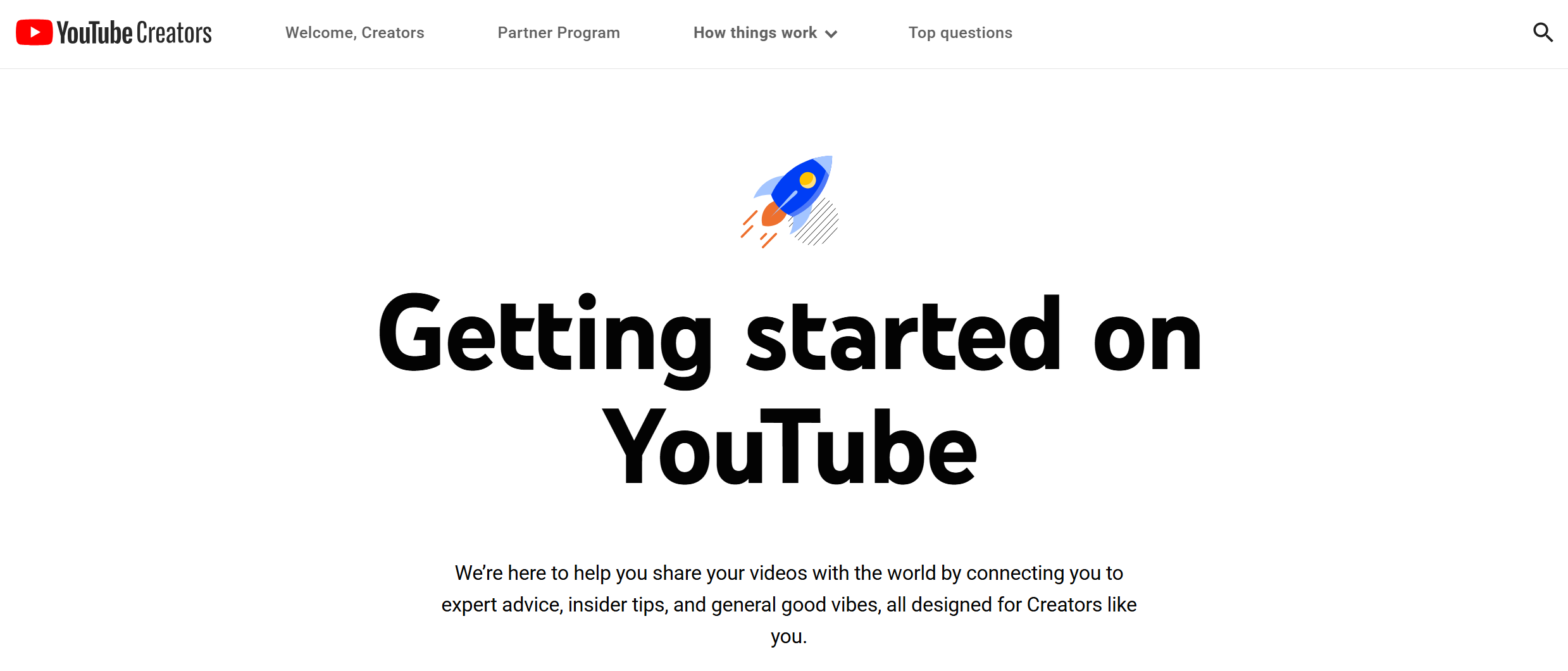
As one of the most well-known professional live streaming platforms, YouTube Live seamlessly integrates into the Google ecosystem. Streaming from a desktop requires channel verification. Mobile streaming needs at least 50 subscribers for channels under 1,000 total subscribers.
Key features:
- The platform automatically converts stream highlights into short videos using built-in AI algorithms. Streamers can also manually create, view, and manage highlights in YouTube Studio.
- The Playables feature lets streamers broadcast live gameplay of 75+ popular games (Angry Birds Showdown, Words of Wonders, Cut the Rope, Tomb of the Mask, Trivia Crack, etc.) available in the platform's library.
- Monetized YouTube channels can display in-stream ads during live broadcasts to generate revenue. Other monetization methods, such as donations, are also available.
- Live chat, built into both the desktop interface and mobile app, allows viewers to comment on streams. It also features moderation tools and AI-powered message summaries.
- YouTube Live is popular for streaming content across various topics and formats: concerts, sports and eSports competitions, comedy shows, interviews, vlogs, etc. The platform is also widely used for webinars and educational content.
Twitch


Twitch consistently ranks among the top live streaming platforms. It attracts more than 240 million monthly users, nearly 7 million of whom are live streamers. Twitch functions as both a streaming service and a popular social network among Gen Z and Millennials, with a large and active community.
Key features:
- Streamers can store recordings through Video on Demand (VOD). The platform also supports creating short videos (highlights) from fragments of streams.
- The platform's affiliate program lets streamers monetize their content by offering viewers multiple paid subscription tiers; pricing varies by region and platform (web vs. mobile).
- Streamers can place ads during their broadcasts, adjusting duration and frequency through the control panel. Viewers can purchase virtual goods (Bits) to support their favorite channels.
- Twitch is widely regarded as one of the best tools for professional live streaming. It's ideal for large-scale broadcasts and offers robust tools for community engagement and communication.
- The platform provides extensive brand promotion opportunities through branded broadcasts and influencer collaborations.
Facebook Live
Facebook Live stands out among the best live streaming platforms. Integrated into the popular social network, the service lets users broadcast video in up to 1080p at 60 fps for up to 8 hours.
Key features:
- Streaming is available to personal profiles and pages that have been active for at least 60 days. Business pages must also have at least 100 followers.
- The platform lets creators cut short videos from broadcast segments and publish them in the Reels section within 30 days of the stream.
- Streamers can monetize their Facebook Live content through paid subscriptions. Subscribers gain access to premium broadcasts, special events, private support groups, and exclusive content.
- The service supports both desktop and mobile broadcasts in full-screen mode (portrait and landscape on iOS; portrait on Android). Streams can also be embedded on third-party websites.
- A popular monetization method involves fans purchasing stars and sending them to the creator during the broadcast. Creators can then convert these into cash at a rate of $0.01 per star.
- Live Producer helps creators manage live posts, schedule broadcasts, and run polls along with other interactive activities. It also features analytics for past streams, chat moderation tools, and administrator/moderator management.
- Viewers can like and share streams to boost their visibility. Streamers can track the number of viewers, watch time, and engagement of their broadcasts.
Kick
Kick is another popular platform in the live streaming tools for creators category. Since its 2022 launch, it has positioned itself as a serious competitor to Twitch. The number of daily active streamers here is over 150,000.
Key features:
- Kick distinguishes itself with the lowest commission rates among major streaming platforms. It charges streamers only 5% of paid subscription revenue.
- To join the Kick Affiliate program, streamers need at least 5 hours of broadcast time and 75 followers.
- Kick doesn't provide in-stream advertising through its platform interface. Instead, creators negotiate directly with advertisers. Streamers also keep 100% of all viewer donations.
- The platform's low fees and relaxed content policies have attracted many prominent streamers to Kick.
Dacast
Source: dacast.com
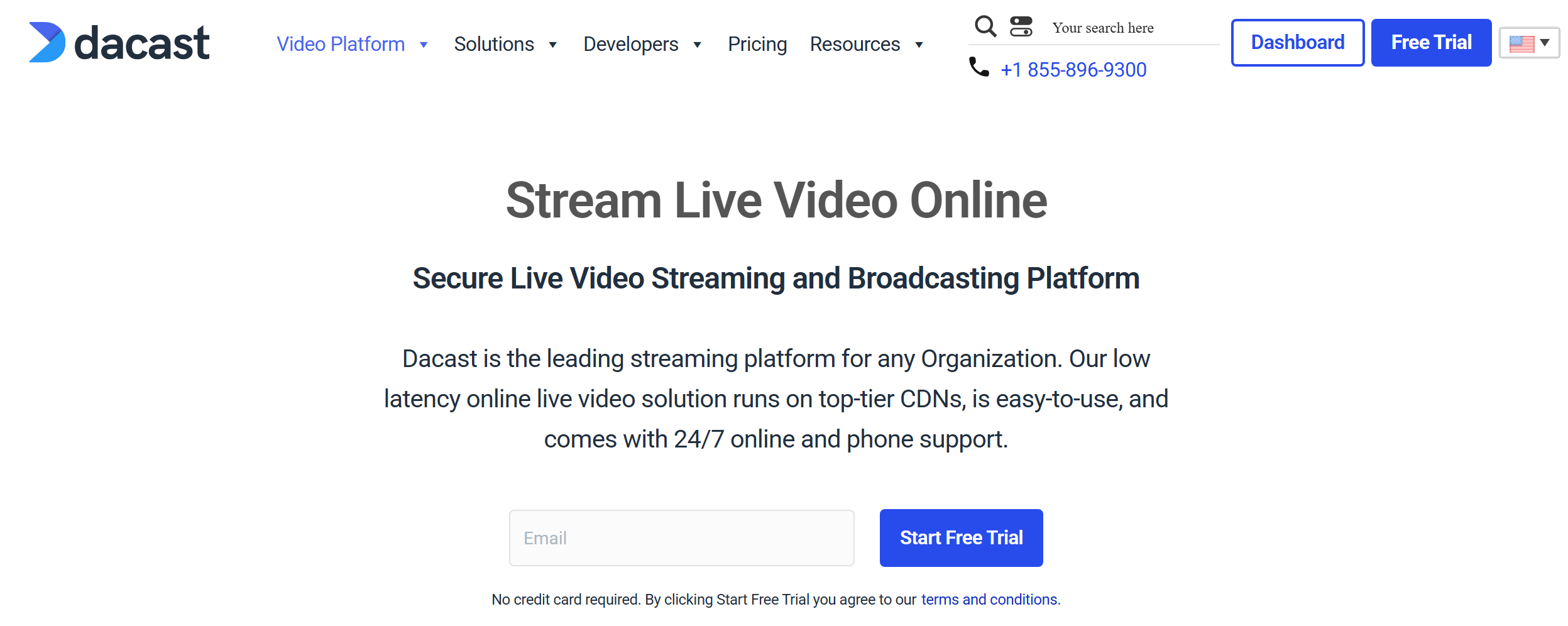
Rounding out our review of the best live streaming services is Dacast, a well-known service for online broadcasting and video content hosting. Unlike Twitch, YouTube, and other consumer-focused platforms, Dacast targets business users (B2B, B2C), offering advanced features for professional online broadcasting.
Key features:
- More than 400,000 professional video creators use the platform, including TV and radio stations, entertainment shows, organizers of sporting competitions and other events, government agencies, and public organizations.
- Dacast provides specialized video CDNs with low-latency streaming (as low as 10 seconds), as well as a free, direct software HLS encoder.
- Expo Video Portal lets streamers create branded showcases for their broadcasts, including web galleries and customized landing pages.
- The live video embed feature offers extensive content promotion and distribution options. Creators can broadcast on personal websites, customize video player designs, set access restrictions, and more.
- With multi-bitrate streaming, the platform automatically adjusts video quality based on each viewer's internet connection speed.
- Streamers can monetize through paid subscriptions, pay-per-view streams, and advertising. Earned funds can be withdrawn via debit/credit cards and PayPal.
- Built-in analytics help track viewership, engagement, and revenue.
Conclusion
All the systems listed in this article have large audiences of video creators and viewers, which allows them to be rightfully considered the best live streaming apps. However, each platform has its own distinct focus.
Twitch and Kick cater to gaming streamers. Facebook Live primarily attracts brands and influencers. YouTube Live is the most versatile, hosting live broadcasts across a wide range of topics and formats. Dacast primarily serves businesses, institutions, and organizations.