
To succeed in today's highly competitive market, brands must not only be quickly recognized by consumers but also be remembered for a long time. Understanding how brand memory is formed and the factors that influence it allows marketers to create effective and memorable messages. In this article, we'll explain how brands are remembered and what marketing techniques will help firmly imprint information about them in the minds of their target audience.
How Brand Memory Actually Works
Brand memory is a set of memories and associations that consumers use to form their attitudes toward a particular company and make decisions about choosing its products.
This set includes:
- Brand/product name and logo.
- Visual identity (colors, typography, patterns).
- Associated emotions (satisfaction, trust, prestige).
- Functional properties (reliability, convenience, efficiency).
- Use cases (for work, as a gift, for travel).
- Past interactions (advertisements seen, purchases made, support requests).
Building brand memory takes time. Well-designed marketing campaigns that foster awareness and trust play a vital role.
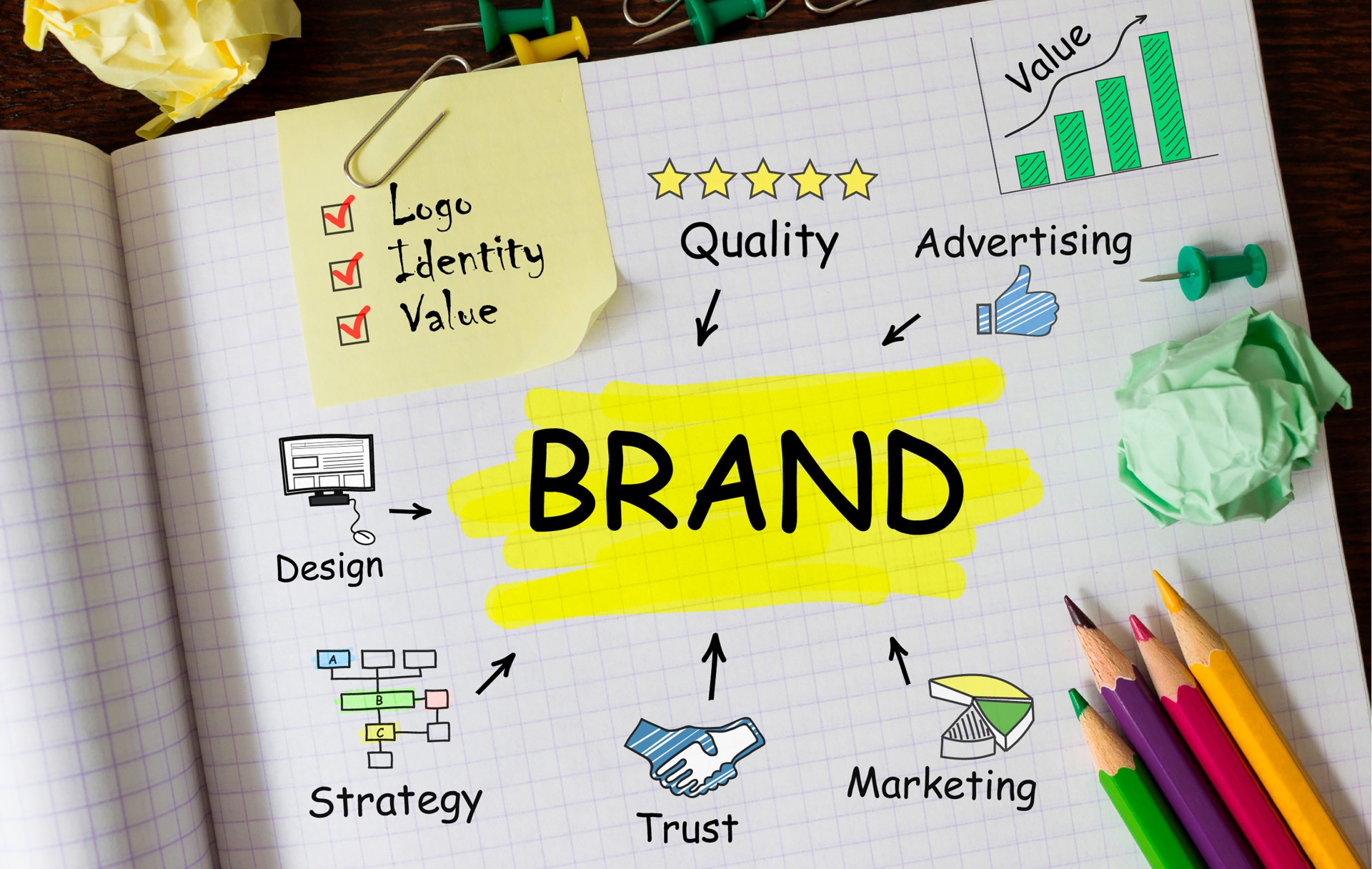
Initially, people's attention is drawn to a particular company or product, which leads to new information being stored in short-term memory. Short-term memory has a limited capacity and is used for current tasks, after which the information is typically forgotten. If information about a brand or product is useful or interesting to a specific consumer, the brain transfers it to long-term memory, where it can be retained for years or decades.
To achieve long-term brand recall, a brand must pass through several stages in consumer perception: attention, appeal, emotion, and cognitive processing. When these factors are aligned, people remember a company more easily and quickly and form a specific attitude toward it.
Brand memory operates on the principle of associative memory and is formed in several stages:
- Stage 1. Encoding (learning). People remember a brand when they repeatedly see or hear information about it, experience certain emotions related to it, personally use its products or services, or perceive the brand in a meaningful context.
- Stage 2. Storage (associations). The brain stores information about brands as nodes linked by a set of associations. The more associations a particular brand has and the stronger the connections between them, the easier and faster it is for consumers to recall it.
- Stage 3. Retrieval (recall and recognition). By the third stage, consumers already have strong brand recall, activated by specific triggers: a need, an event, a category, visual or audio cues, etc. For example, people think of Coca-Cola when they see the color red or think of Zoom when they need to hold an online meeting. In this case, this signals strong, long-term brand memory.
Emotional Triggers That Make Brands Memorable
Emotional branding plays a major role in modern marketing. Emotional triggers help brands leave a deeper imprint on consumers’ memory and motivate them to take targeted actions. Let's explore which emotional triggers best enhance brand recall and how businesses can effectively leverage them in their marketing.
Joy and Satisfaction
Positive emotions enhance attention and improve memory. If something brings joy, pleasure, or other similar emotions to a person, the brain is more likely to remember its source. Brands use friendly language, light humor, bright colors, pleasant music, positive visuals, bonuses, gifts, and other moments of joy to trigger these impressions.
Trust and Security
People pay more attention to and remember information better when they perceive it as reliable and credible. Trust fosters a sense of security, eliminates doubts, and reduces stress, which can negatively affect memory. Brands stimulate these emotions through transparent communication, well-defined functionality, social proof (customer reviews, expert recommendations), warranties, trial periods, and other techniques.
Belonging and Identity
When brands help people express themselves or feel a sense of belonging to a particular social group, it enhances brand recognition and memorability. To trigger these feelings, brands use images of people similar to their target audience (or those they aspire to be) in the campaigns. Companies also reflect the values and worldview of that audience, showcase social proof, and encourage interaction within the community.
Surprise and Novelty
Surprise stimulates the release of dopamine in the brain, which improves memory. Therefore, brands often create a sense of novelty for consumers by regularly updating product designs, using unconventional messaging and offers, and leveraging creative marketing to challenge the audience’s expectations.
Pride and Status
The brain is highly retentive in remembering information that signals achievement or recognition, making these emotions highly effective triggers for memorable branding. To achieve this, brands use symbols of premium quality, exclusivity, or limited availability for their products. Furthermore, they often use achievement- and award-related imagery in advertising (for example, by featuring famous athletes or other celebrities).
Empathy and Understanding
Feeling heard and understood fosters trust and attachment. Brands tap into these triggers through a clear understanding of their customers' problems and pain points, clear, conversational language (without technical jargon), authentic communication, and other techniques.
Distinctiveness Over Noise: Standing Out Without Shouting
Brand distinctiveness is one of the key factors that helps consumers remember a company and its products. A mix of distinctive features (visual, auditory, verbal, and behavioral) makes brands easier to recognize and remember by their target audience. Below are the key attributes of uniqueness that help companies effectively stand out in today's information-driven environment.
Visual Elements
Companies actively use a set of visual codes in marketing and branding, including the logo design and shape, signature colors and patterns, typography, and iconography. For example, the combination of white letters on a red background and a distinctive font is strongly associated with Coca-Cola. Meanwhile, consumers immediately recognize the fast-food chain McDonald's by the yellow "M" on a red or white background.
Sound Codes
Another key factor in brand memorability is sound. Companies try to stand out from the competition through sonic logos, signature melodies and sound effects, and a unique voice-over style. Among the most famous examples of such content are the iconic audio logo of McDonald's ("ba da ba ba ba I'm lovin' it"), the instantly recognizable Netflix intro ("ta-dum"), or the equally iconic roaring lion intro of Metro-Goldwyn-Mayer (MGM).
Verbal Traits
How brands communicate with their audiences and how they convey their messages is an equally important factor in marketing psychology. Key components include slogans, signature phrases and expressions, tone of voice, and naming conventions. Examples of verbal codes include slogans ("Just do it" — Nike, "It's Finger Lickin' Good" — KFC), which are strongly associated with world-famous brands.
Behavioral Signs
Brand recognition and memorability are enhanced by distinctive patterns and rituals of interaction with customers, as well as their unique behavioral traits. These factors shape brand identity and create a unique image that attracts consumers. Carefully chosen behavioral codes have ensured the global recognition of a number of brands, including Amazon, Apple, IKEA, Starbucks, and many others.
Repetition, Consistency, and Context
In conclusion, this section explores how to use repetition and consistency effectively in marketing campaigns. It also highlights the importance of context for successfully cementing a brand in the target audience's memory.
Repetition
Repetition strengthens neural connections in the human brain, helping us remember information better. The more often a consumer interacts with a brand, the faster they develop relevant associations and the stronger their brand memory becomes.
These techniques help build long-term brand awareness:
- Repetition of key messages conveying brand positioning.
- Reiterating across multiple touchpoints.
- Reinforcing distinctive brand elements (logo, slogan, corporate colors, music, sound effects, etc.).
Consistency
Maintaining consistency in messages and distribution channels makes them easier for the target audience to understand and remember. The more consistent the information, the easier it is to remember. Associations build upon one another, creating a coherent brand image in the consumer's mind. On the other hand, inconsistent branding increases cognitive load and creates fragmented memories, which negatively impacts brand recall.
To maintain brand consistency, the following must remain unchanged across all communication channels and formats:
- Visual identity (logo shape, colors, patterns, typography).
- Verbal identity (main message, evidence, tone of voice).
- Behavioral identity (standards of service, customer support and communication).
Individual marketing components can be freely changed and customized without compromising brand consistency. These include message formats, communication channels, creative techniques, etc.
Context
The right context activates brand memory, triggering the right associations in the consumer's mind. People remember brands in specific situations or moments of need or in situations involving strong emotions and impressions. The following types of context are best at shaping memory: situational (place, time, circumstances), emotional (pleasure, surprise, stress), category (problem, need), and cultural (habits, rituals, events).
Here are a few ways to improve brand recall using context:
- Reminding users of a brand or product at times of need (search, support).
- Adapting messages and campaigns to the needs and characteristics of the target audience.
- Linking the brand or product to real-world use cases.
Bottom Line
The effectiveness of modern marketing is directly linked to psychological techniques that promote rapid recognition and long-term retention of brands and the messages they convey. Proper application of these practices in a brand messaging strategy helps businesses create relevant, memorable messages and campaigns, building lasting brand memories in consumers.